Old sheds don't retire quietly. The roof starts sagging, the door stops closing, termites move in, and one day you realize the shed holds nothing but spiderwebs and things you forgot you owned. Tearing one down looks simple on YouTube. Then you're standing there with a pry bar, a wall falls the wrong direction, and you've still got to figure out how to get 800 pounds of splintered wood and rusty roofing to a dump that will accept it. Here's how professional shed demolition works, what drives the cost, and what happens to all that debris.
In this guide
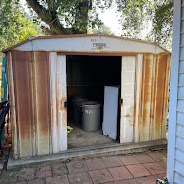
How a Shed Demo Day Goes
A typical shed demolition and removal runs in four steps, and most single sheds are done in one visit.
- Clear the contents. Whatever's still inside comes out first. Keep what you want, and the rest goes in the trailer with the shed.
- Take it down. The crew dismantles the shed in a controlled order: roof, walls, then floor and framing. Controlled is the word. Nothing falls on the fence, the block wall, or your neighbor's lemon tree.
- Load and haul. Every panel, stud, and screw gets loaded. Wood, metal sheeting, and anything recyclable gets separated where facilities accept it.
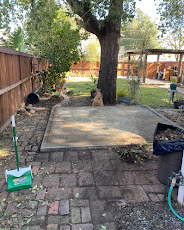
- Rake and sweep. The footprint gets raked clean of nails and splinters. You're left with a bare, usable spot in the yard.
Full shed? No problem. You don't need to empty it first. Clearing the contents and demolishing the shed happens in the same visit, one price, one crew.
What Shed Demolition Costs
Every quote comes down to three things: how big the shed is, what it's made of, and what's inside it. We price by how much space the debris fills in the trailer plus the demo labor, and we set a firm number on-site before we swing a hammer.
Size and material matter most
- Small metal or plastic sheds come apart fast and don't weigh much. That's the low end.
- Wood sheds take more labor and produce heavier debris. A framed 10x12 with a shingle roof is a real structure, and shingles are heavy.
- Contents add volume. A packed shed can double the load. That's not a surprise fee; you'll see it in the on-site price before we start.
- Access plays a part too. A shed behind a pool with a narrow side gate means longer carries than one next to the driveway.
If you want to understand the volume-pricing logic behind all of this, our junk removal cost guide breaks it down.
Want a Number for Your Shed?
Text a photo of the shed (inside and out helps) to (626) 626-0474. We'll send a ballpark, then set a firm price on-site before any demo starts.
Get a Free EstimatePermits: The Two-Minute Homework
For most small backyard sheds in our area, tearing one down doesn't require a demolition permit. But every city writes its own rules, and things change if the shed is large, sits on a permanent foundation, or has electrical or plumbing run to it. A two-minute call to your city's building department settles it. Do that before demo day and there are no surprises. If your shed project is part of a bigger renovation, our guide to construction debris rules in Glendora covers the disposal side.
Where the Debris Actually Goes
A demolished shed is a mixed load: lumber, metal roofing or siding, shingles, hardware, and whatever was stored inside. Metal gets pulled out for scrap recycling. Clean wood can go to green-waste or wood-recovery facilities where they accept it. The rest goes to a licensed transfer station, weighed and documented. None of it ends up in a canyon somewhere, which is more than can be said for every operator on Craigslist. Curious how the sorting works on our end? Here's where your junk really goes after we drive away.
DIY vs. Hiring It Out
Handy homeowners can absolutely take down a small shed. Budget a full weekend, a helper, gloves, a pry bar, and a reciprocating saw. Then plan the part people forget: hauling. The debris from even a small shed won't fit in a trash bin, and you'll be renting a truck and paying dump fees on your own time. That math is the whole reason demo-plus-haul as one service exists. Our DIY vs. professional breakdown runs the numbers honestly, including when DIY wins.
Frequently Asked Questions
How much does shed demolition cost?
It depends on the shed's size, what it's made of, and how much is stored inside. A small empty metal shed costs far less than a packed 10x12 wood shed. Text a photo to (626) 626-0474 for a quick ballpark, and we set a firm price on-site before any work starts.
Do I need a permit to tear down a shed?
For most small residential sheds, cities in our area don't require a demolition permit, but rules vary by city and shed size, especially if it has electrical or plumbing. A quick call to your city's building department confirms it.
Does the shed need to be empty before you demolish it?
No. We can clear out the contents and demolish the shed in the same visit. Junk inside just gets added to the load.
Do you remove the concrete slab under the shed?
Ask us on-site. Slab removal is a different kind of work than shed demo, so it's quoted separately depending on the slab's size and thickness.
Related Articles
JunkFit Hauling is an independent, veteran owned junk removal company based in Glendora, CA. Permit requirements vary by city; confirm with your local building department. Service availability and same-day scheduling depend on the day's route.
Ready to Reclaim That Corner of the Yard?
Call JunkFit Hauling for a free, no-obligation estimate. Serving Glendora and the San Gabriel Valley.
Get a Free Estimate